

Understanding home safety basics
A practical approach to protecting a property starts with identifying common entry points and the way a system interacts with them. When considering a motion sensor alarm, homeowners focus on detecting movement in key areas while preserving privacy in others. The best setups balance coverage with false motion sensor alarm alarm minimisation, using sensible sensor placement and clear alert pathways. This stage benefits from choosing components that are compatible with existing electrical systems and, if possible, integration with smart devices for easier monitoring from a mobile device or central hub.
Choosing the right detection technology
Modern security options include passive infrared sensors, dual-technology beams, and pet‑friendly designs. Each option has its own strengths, and the choice often depends on the layout of the space and the level of activity typically expected. A practical decision supports intrusion alarm system reliable activation without overloading occupants with routine alerts, keeping the focus on genuine security events rather than unnecessary notifications. This is where an intrusion alarm system’s reliability becomes a deciding factor for many homeowners.
Placement and zones for effectiveness
Strategic placement enhances performance by targeting vulnerable access routes such as doors and large windows. Creating defined zones helps avoid redundancy and minimises false alarms caused by routine movements, such as pets or household traffic. It’s worth mapping the property to determine where motion sensors will add maximum value and how the system will respond when a sensor is triggered, ensuring timely and appropriate alerts to a monitoring service or a homeowner’s phone.
Integrating with broader security measures
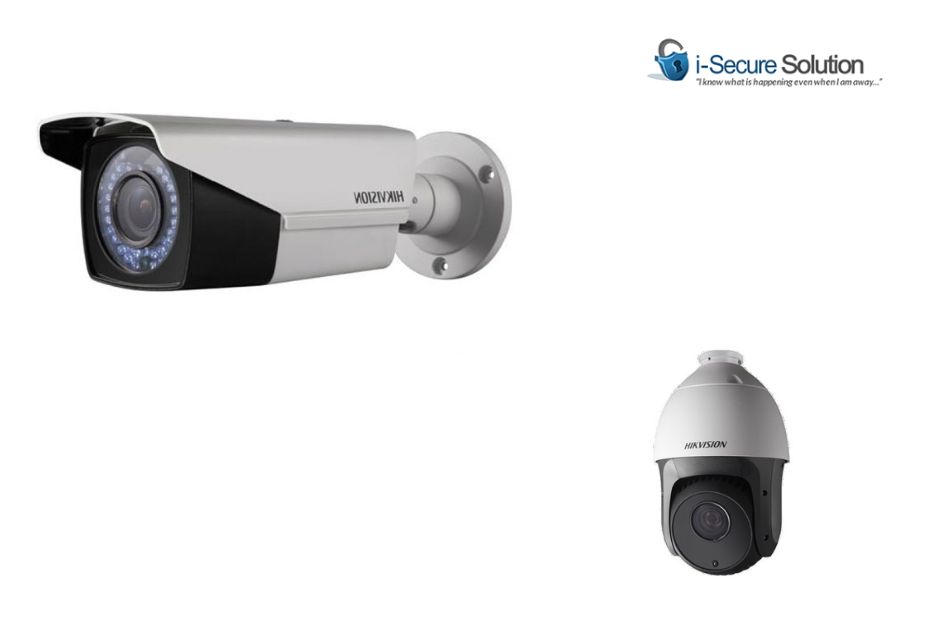
Pairing motion sensor alarm technology with cameras, door contacts, and a capable alarm controller creates a layered defence. Such a setup allows for better situational awareness and controlled access during an incident. When selecting components, look for compatibility with existing alarms and the ease of firmware updates, ensuring ongoing protection without frequent replacements. A well‑balanced system can provide clear evidence in case of a dispute or incident review, which is important for post‑event analysis.
Maintenance and testing routines
Regular testing keeps detection accurate and reduces the chance of missed alerts. Practical maintenance includes sensor cleaning, battery checks, and software updates. It’s wise to run a monthly check and document results to identify trends or potential issues before they affect security. Establishing a routine means you stay ahead of problems and preserve the system’s integrity over time. Staying proactive with maintenance is key to maintaining confidence in the intrusion alarm system’s performance.
Conclusion
Choosing the right security setup means balancing performance, cost, and peace of mind. A thoughtfully configured motion sensor alarm can provide reliable detection without becoming intrusive, while a broader approach to safety strengthens overall protection. isecure