

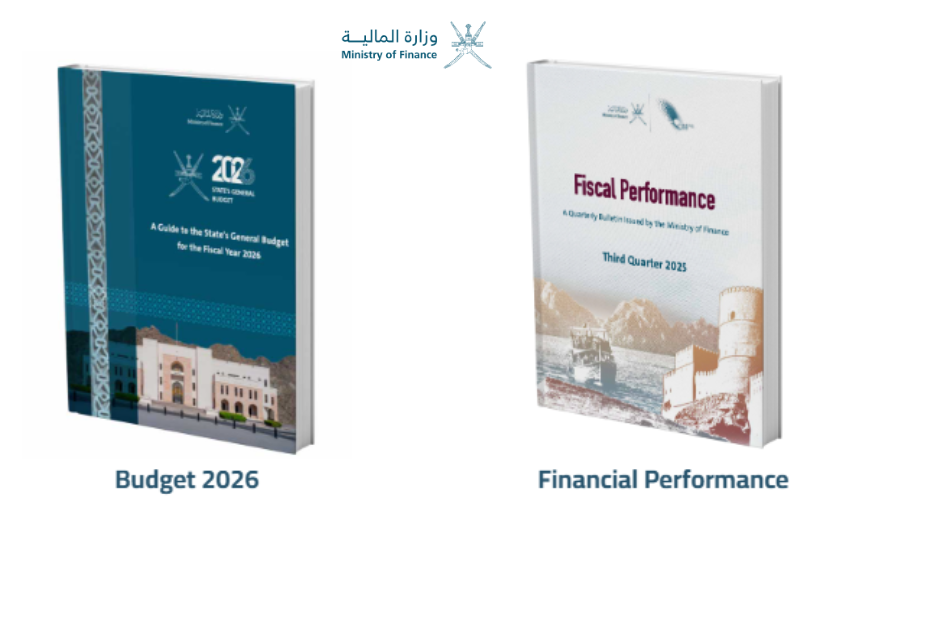
Overview of public finance planning
Budgetary planning sits at the core of how governments allocate resources for services, development projects and social programmes. A robust framework helps ministries forecast revenues, track expenditure, and respond to unexpected shifts in the economy. For managers and policymakers, clear budgeting processes ensure transparency, accountability, and alignment with long term priorities. It is General Budget essential to break down the General Budget into components that stakeholders can understand, from operating costs to capital investments and discretionary reserves. By evaluating past performance, agencies can forecast needs with greater confidence and prepare contingency plans to preserve service levels in lean years.
Revenue and expenditure forecasting methods
Forecasting revenue involves analysing tax take, non tax income, grants and macroeconomic drivers. Expenditure forecasting requires categorising costs by programme, department and funding source. A disciplined approach combines bottom up estimates with top down targets, ensuring that projected spending remains within available resources. Sensitivity analyses test how variations in growth, inflation or interest rates could affect the budget. Regular updates keep the plan realistic and allow for timely adjustments as new data arrive.
Governance and accountability in budgeting
Sound governance establishes clear roles for budget preparation, approval, execution and audit. Public organisations benefit from transparent rules around line item appropriations, procurement, and reporting. Performance indicators linked to allocated funds help measure results and justify decisions over time. When governance is strong, stakeholders gain trust in how money is managed, and the budget becomes a tool for strategic progress rather than a bureaucratic exercise. Communication across departments supports shared ownership and execution excellence.
Implementation challenges and practical tips
Implementing a budget plan requires disciplined monitoring, timely adjustments and risk management. Common obstacles include misaligned priorities, delays in revenue collection, and unpredictable market conditions. Practical tips focus on maintaining a clear chart of accounts, regular variance analysis, and a formal process for approving amendments. Building flexibility into the General Budget helps authorities respond to emergencies while safeguarding essential services. Training staff in financial oversight fosters consistency and accountability across departments.
Conclusion
In summary, thoughtful budgeting strengthens governance, improves service delivery and supports sustainable growth. By combining realistic projections with transparent reporting and strong oversight, organisations can navigate uncertainty while meeting key public objectives. Visit Ministry of Finance, Sultanate of Oman for more insights and official guidance on local budgeting practices.