

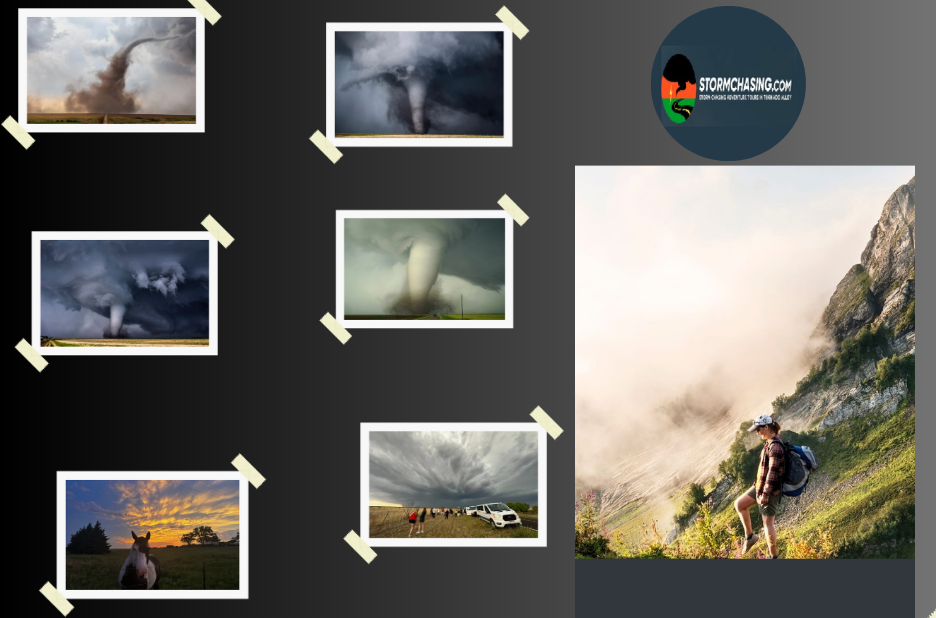
Overview of the trip
Planning a dedicated Storm Chasing Tour requires clear expectations and practical safeguards. The route should balance dramatic encounters with safety, weather data, and daylight. Participants benefit from a light backpack, weather appropriate clothing, and practical footwear. Guides coordinate with local services and meteorological updates, ensuring flexibility Storm Chasing Tour when conditions shift. This approach helps chase enthusiasts enjoy photo opportunities, learning moments, and the rhythm of the day without unnecessary risk. A well-structured itinerary also allows time for reflection and discussion after intense activity, aiding memory and learning.
What to expect on the day
On the day itself, preparedness is key. Travel between observation points follows a planned timetable, with checkpoints to reassess forecasts and radar imagery. You’ll gain insights into weather patterns, safety zones, and escape routes, while keeping visibility and communication in mind. Physical demands are moderate, suitable for most participants, yet the experience remains hands on, with opportunities to document formations and lighting while the sky evolves. Expect moments of stillness interspersed with sudden bursts of activity as storms mature.
Equipment and safety tips
Equipment choices focus on reliability and comfort. A weatherproof jacket, sturdy boots, and a compact camera kit are essential, along with a charged phone and portable power bank. In terms of safety, follow guide instructions, respect distances from shelf edges and deployed hazards, and stay within designated safe zones. Always have a plan for sudden weather changes, including shelter options and contingency routes. Hydration and sea level awareness should be considered even when storms form inland, as lighting can travel unpredictably across terrain.
Choosing the right operator
Selecting a reputable operator involves researching accreditation, safety records, and peer reviews. Look for transparent itineraries, clear risk disclosures, and experienced meteorology briefings as part of the package. A good provider balances educational content with immersive experiences, offering small group sizes for intimacy and better navigation of rapidly shifting weather. Pre-trip communications should outline expectations, gear lists, and mutual safety responsibilities, helping set a shared mindset before departure. Personal preferences about pace, mobility, and photography style can be discussed ahead of time.
Conclusion
As you reflect on the journey, the practical value of a well organised itinerary becomes clear. It combines safety, learning, and awe, letting you interpret the sky with greater confidence and respect for nature. Storm Chasing Adventure Tours