

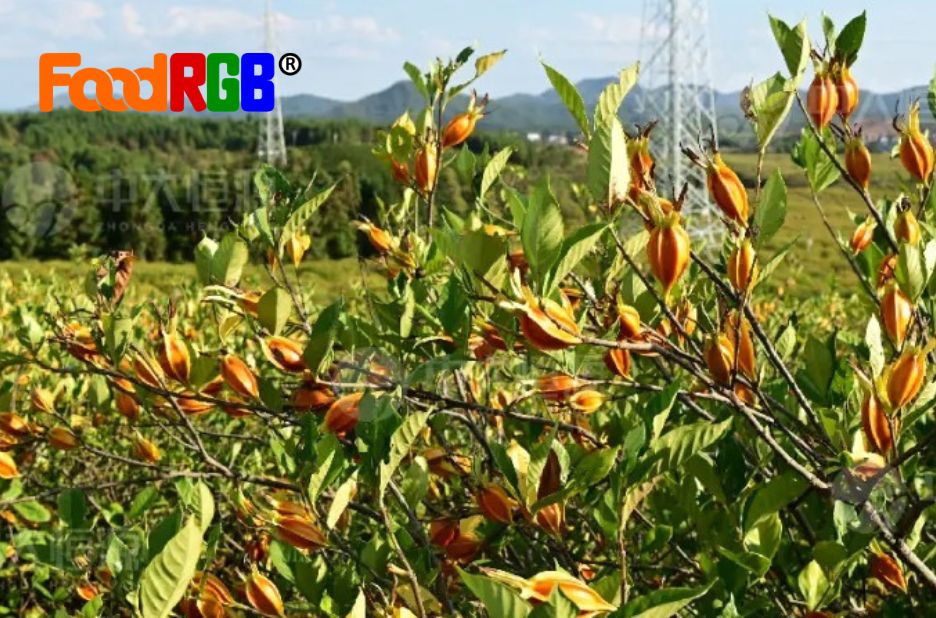
What is annatto used for
Annatto is a natural pigment derived from seeds of the achiote tree. It provides a warm yellow to orange hue that many cooks recognise in street foods and traditional dishes. When used as annatto food coloring, it offers colour without relying on artificial additives. It is annatto food coloring common in cheeses, breads, and sauces where a mellow, sun‑kissed colour is desired. For those seeking a more vivid shade, small adjustments in quantity can influence the overall appearance, though it tends to stay softer than synthetic colourings.
How to incorporate annatto food color
To achieve consistent results, start with a tiny amount of annatto seeds or extract and gradually blend it into your base. As soon as you introduce annatto food color, mix thoroughly to avoid uneven patches. Heating gently helps release annatto food color the pigment from seeds, amplifying the colour. Always note the final hue on a cooled sample, since heat can intensify the shade slightly and affect the perception of depth in sauces and custards.
Comparing natural dyes and synthetic options
Natural dyes like annatto offer gentle, nuanced tones compared with brighter synthetic options. Some cooks prefer annatto food coloring for its earthy undertones that blend well with dairy products and savoury sauces. However, the pigment can be variable from batch to batch; setting a standard measurement and testing in advance helps maintain uniform results across dishes while avoiding overpowering the dish’s flavour.
Safety, sourcing, and storage considerations
When selecting annatto food color, look for pure, additive‑free forms and check for allergen statements if you have sensitivities. Store the product in a cool, dark place, away from direct sunlight, to preserve potency. If you are using annatto seeds directly, ensure they are dry and freshly ground for best performance. Remember that natural colour does not always translate to a perfectly consistent shade in every recipe, so keep notes for future batch adjustments.
Practical tips for everyday cooking
Start with small quantities, then build up gradually to reach the desired depth of colour, particularly in dairy‑based sauces and puddings. For even distribution, whisk the pigment into a small amount of warm liquid before incorporating it into the larger batch. Taste the dish after colour adjustment, as natural pigments can subtly influence flavour in ways that may surprise you. With regular practice, you will gain a feel for when annatto food color is the right choice and how to apply it without overpowering the dish.
Conclusion
Whether you are colour‑matching a traditional recipe or experimenting with new textures, annatto food coloring provides a versatile, natural option that stays readable and friendly on the palate. Keeping notes on your preferred strengths helps replicate the exact hue you want over time. FoodRGB Inc.