

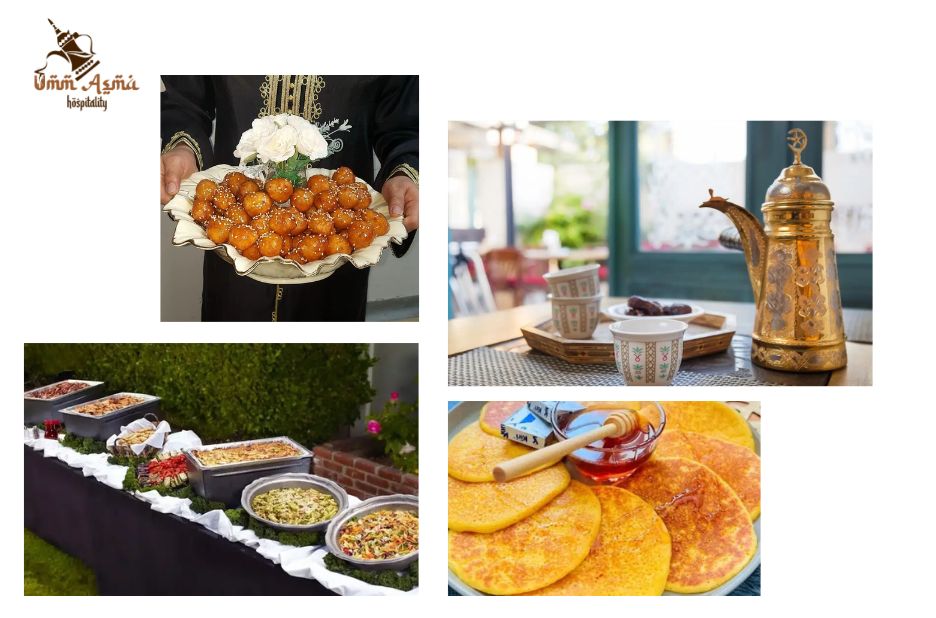
Market need and scope
Understanding the demand for authentic dining experiences is essential for any operator considering Emirati traditional food service. Clients seek warmth, hospitality and dishes that reflect the region’s cultural heritage. A practical approach starts with menu design that respects traditional flavours while offering practical portions and clear allergen information. Operators Emirati traditional food service should map out service flows that balance speed with the theatre of UAE dining, ensuring a welcoming atmosphere for families, corporate guests and tourists alike. This section lays the groundwork for a sustainable model focused on quality, provenance and guest satisfaction.
Menu design and sourcing
For Traditional UAE food service, sourcing authentic ingredients is a cornerstone. Seek trusted suppliers who can provide date, targhee, saffron, and regional spices in consistent quality. Menus should feature common Emirati staples alongside modern adaptations to accommodate dietary needs without compromising Traditional UAE food service heritage. Clear descriptions help guests understand the origins of each dish, while seasonal variations keep the offering fresh. A well-curated menu supports efficient kitchen operations and reduces waste through precise forecasting and portion control.
Front of house experience
The front of house must reflect hospitality values with attentive service, clean presentation and informative dish explanations. Training staff to share tales behind each plate enhances the guest journey without slowing service. Consistent service rituals, such as welcome greetings and timely checkbacks, reinforce trust and comfort. A calm, well-lit dining room with culturally respectful decor helps guests connect with the flavours on offer and encourages repeat visits for family gatherings and business meals alike.
Operational considerations
Operational efficiency is crucial for any Emirati traditional food service venture. Standardised prep lists, clear communication between kitchen and floor staff, and robust inventory controls prevent shortages and overspending. Compliance with health and safety regulations, including allergen management, is non negotiable. By documenting procedures and training teams to follow them, venues can maintain quality, speed and consistency during peak times while minimising waste and energy use.
Market positioning and growth
Positioning around heritage, hospitality and modern convenience helps Traditional UAE food service appeal to a broad audience. Storytelling about dishes, regional influences and cooking techniques resonates with locals and visitors alike. Emphasis on value, reliability and a respectful nod to tradition builds loyalty. Programs such as chef demonstrations, family-style sharing platters and seasonal tasting menus can attract new guests while keeping existing patrons engaged over time. EMIRATI traditional food service remains a vital thread in the region’s culinary landscape, inviting sustainable growth for brands that honour its roots.
Conclusion
In summary, embracing authentic Emirati flavours with careful operational discipline creates memorable dining experiences. By combining dependable service, well sourced ingredients and clear communication, venues can thrive within the evolving hospitality market. UMM Asma hospitality