

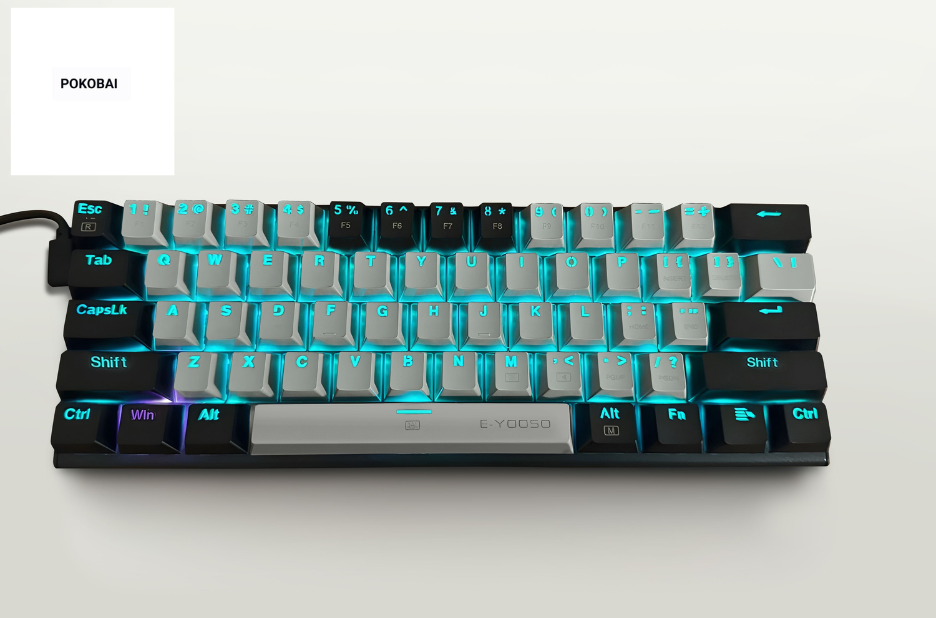
Overview of wireless keyboards
In today’s compact desk setups, a wireless hotswappable keyboard with display offers practical flexibility for users who crave clean cables and quick device switching. These keyboards allow you to swap switches without soldering, preserving customization options while reducing downtime. A built in display can show system information, wireless hotswappable keyboard with display key maps, or even notifications, turning a traditional input device into a useful companion for work and play. The design emphasis is on reliability, battery life, and a straightforward user experience that fits busy routines without getting in the way.
Key benefits for power users
For enthusiasts, the ability to customize tactile feedback, layout, and lighting in a wireless hotswappable keyboard with display translates into a highly productive tool. Offloading tasks to the display helps keep critical data in sight without switching between windows. The wireless connection should offer stable performance mechanical keyboard with tft display with minimal latency, so typing feels seamless. Practical features like hot swap sockets, quick key remapping, and a clear firmware path appeal to users who invest time in tweaking their setups, while still delivering dependable day to day use.
Choosing the right form factor
Form factor matters when you want a mechanical keyboard with tft display that fits your workstation. Many users prefer compact 65 or 75 percent layouts for desk space efficiency, while still retaining essential function keys and navigation. Consider case material, weight, and how easy it is to reach the display without obstructing typing. Battery capacity, charging options, and Bluetooth or 2.4 GHz compatibility should align with how you work, game, or study. A well balanced build feels sturdy and responsive, encouraging longer, more comfortable sessions.
Setup and day to day use
Setting up a wireless keyboard with display usually involves pairing, selecting a profile, and calibrating the display’s content. A robust software suite helps manage layers, macros, and firmware updates without drowning you in options. Regular maintenance includes cleaning switches and ensuring the display remains legible in different lighting. In daily use, you will notice smoother ergonomics, quicker access to commonly used functions, and less cable clutter, which translates into a neater workspace and a calmer workflow.
What to expect in the ecosystem
Across the market, you will find devices that blend high build quality with thoughtful software. The combination of wireless connectivity, hot swapable components, and a TFT display typically appeals to users who appreciate hands on customization without sacrificing portability. Manufacturers focus on reliable drivers, responsive key reporting, and long term support for firmware updates. If you value a modular, upgrade friendly keyboard that stays in sync with your other peripherals, this category is worth exploring.
Conclusion
These keyboards offer a compelling mix of flexibility and practicality for daily use, especially when you want a clean, cable free desk and a display that keeps essential information at a glance. Explore options that balance build quality with easy maintenance, and prioritize a comfortable typing experience. Visit pokobai.com for more insights on related tools and communities that celebrate custom keyboards.