

Choose diverse flowering companions
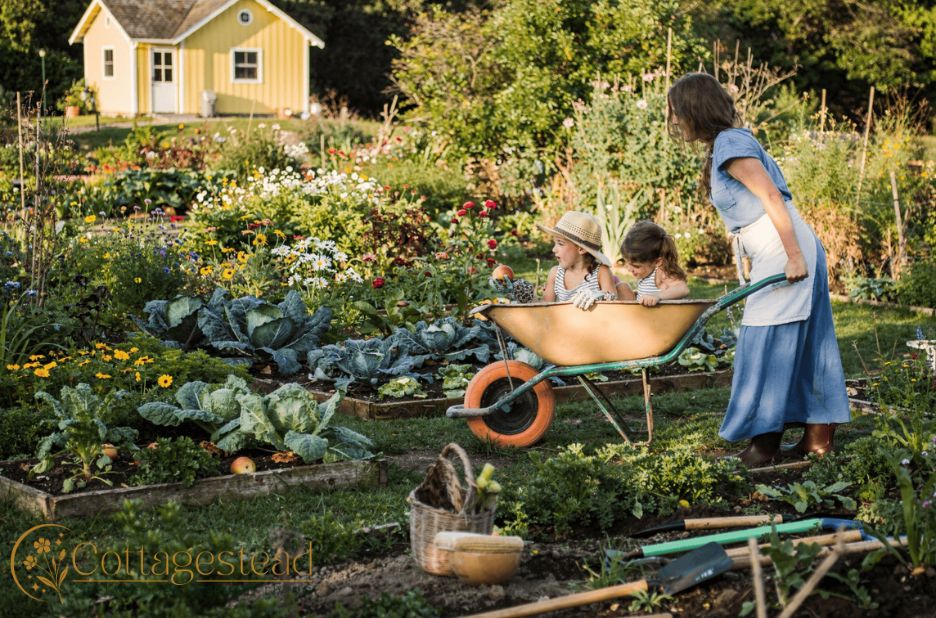
A pollinator friendly vegetable garden thrives when you mix edible crops with a steady parade of blooms. Start by selecting herbs and flowers that attract bees, butterflies, and other beneficial insects. Plant strategy matters: stagger bloom times to ensure nectar is available from spring through late summer. pollinator friendly vegetable garden Think along the lines of dill, fennel, calendula, and cilantro alongside peppers and tomatoes. This combination supports a healthier ecosystem, encourages natural pest control, and can extend your harvest with improved pollination rates and fruit set through the growing season.
Layer plants for year round interest
Structure matters in a pollinator friendly garden ideas plan. Use vertical supports like trellises for vining vegetables and intersperse with low-growing pollinator attractors. Include sun-loving annuals and late-blooming perennials to provide resources after primary crops finish. pollinator friendly garden ideas By layering, you offer shelter, nectar, and pollen while keeping paths tidy and accessible for maintenance. A well-layered layout reduces soil compaction and makes watering more efficient for a busy gardener.
Build a habitat with native habitat elements
Incorporate small brush piles, rocky sun shelves, and shallow water sources to invite native pollinators into your plot. Native grasses and flowering perennials are particularly effective at sustaining insect populations through climate variations. Even modest plantings near the garden edges can serve as corridors for bees and butterflies moving between habitats. Creating a welcoming microenvironment increases pollination success for your vegetables and supports biodiversity in your yard.
Practice smart soil and water management
Healthy soil underpins a thriving pollinator friendly garden ideas approach. Focus on compost enrichment, mulch to conserve moisture, and minimal disturbance that benefits soil life. Efficient irrigation with drip lines reduces leaf wetness that can invite disease while delivering steady moisture for blossoms and fruit. Group watering in the early morning limits evaporation and helps pollinators survive hot days by offering reliable floral resources during peak foraging times.
Harvest timing and maintenance routines
Regular maintenance keeps the garden productive and pollinator friendly vegetable garden friendly. Monitor flowering crops and adjust deadheading, pruning, and succession planting to maintain a continuous supply of blooms. Keep a simple calendar of bloom peaks, irrigation checks, and pest scouting so you can respond quickly without neglecting crucial habitat food sources. A mindful routine protects both your harvest and the pollinators that support it.
Conclusion
Embracing pollinator friendly garden ideas and a pollinator friendly vegetable garden can transform a patch into a lively, productive space. By combining diverse blooms with edible crops, layering plantings, and providing native habitat and smart soil care, you create a resilient garden that benefits both insects and gardeners. Small, thoughtful choices accumulate into big harvests and healthier ecosystems. For ongoing inspiration and practical tips that feel approachable, consider exploring resources and communities that share this ethos, such as cottagestead.com