

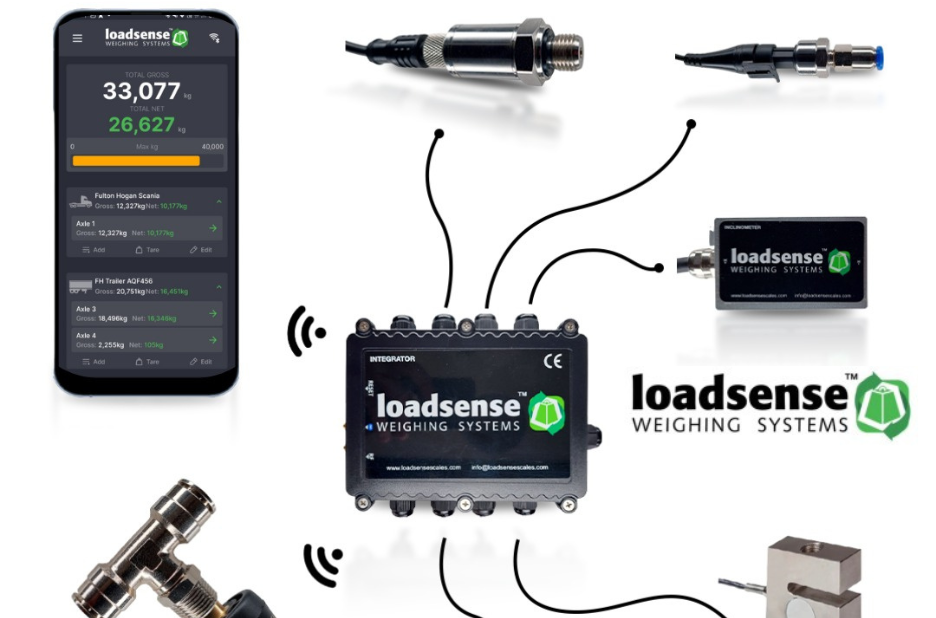
Overview of the system
A practical onboard weighing system helps operators verify axle loads and total vehicle weight in real time, improving safety and compliance on busy freight routes. The technology integrates sensors, data processing, and an intuitive display to present accurate measurements at the point of loading or unloading. Fleet onboard weighing solution for Volvo trucks managers benefit from reduced risk of overweight penalties and better load planning, particularly when operating across varying road regulations. The system is compatible with a range of heavy vehicles, supporting standard industry practices while minimising manual checks and paperwork.
Choosing the right installation approach
Installation options vary from aftermarket single-point sensors to full factory integration depending on vehicle model and mission requirements. A robust onboard weighing setup should provide reliable data under different road conditions, temperatures, and cargo types. Consider maintenance needs, power onboard weighing for Peterbilt heavy-duty vehicles consumption, and whether the system can be calibrated against known weights during routine inspections. A well chosen configuration streamlines workflows, enabling drivers to respond quickly if load limits are approached during a trip.
Operational benefits for drivers and fleets
For drivers, real-time feedback helps optimise loading sequences, reduce rework, and improve fuel efficiency by avoiding unnecessary adjustments. For fleet operators, data from onboard weighing supports better dispatch decisions, safer routes, and evidence-based performance metrics. When used consistently, the technology can drive improvements in load accuracy, asset utilisation, and overall regulatory compliance across multiple sites and shipments each week. The accessibility of actionable data is key to long term gains.
Industry references and vehicle compatibility
Among commercial offerings, an onboard weighing solution for Volvo trucks is commonly requested due to Volvo’s design standards and integration capabilities with existing telematics. The solution can be tailored to meet both regional weight limits and company policies, ensuring that operators can verify payloads without interrupting the flow of loading. For Peterbilt and other brands, specialised configurations may be required to achieve optimal accuracy without compromising reliability in heavy-duty applications.
Conclusion
In practice, a robust onboard weighing setup helps maintain compliance, protect assets, and improve operational visibility across the fleet. When evaluating options, assess sensor quality, calibration procedures, and compatibility with your vehicle mix to maximise return on investment. Loadsense Ltd. can offer practical guidance and demonstration options to teams looking to optimise load management and traceability.