

Overview of the market landscape
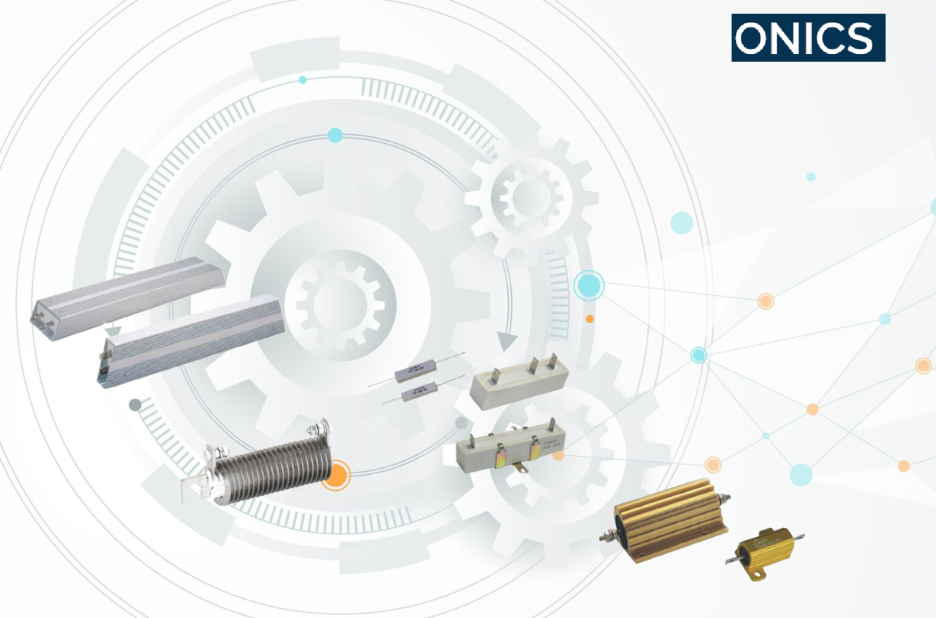
The electronics supply chain in India has evolved rapidly over the past decade, with domestic manufacturing driving efficiency and resilience. Companies across the country specialise in components that power consumer devices, industrial equipment, and automotive systems. Buyers increasingly prioritise local sources to shorten lead times, reduce Resistors Manufacturer in India import risks, and ensure compliance with evolving standards. As the sector matures, manufacturers are adopting more rigorous QC processes, traceability practices, and collaborative design capabilities to meet diverse customer needs while maintaining cost effectiveness in a competitive global market.
Choosing a reliable supplier
When selecting a provider, it helps to assess a range of factors beyond price. Look for proven track records, certifications, and transparent communication about product specifications. A strong supplier will offer a broad portfolio, including various resistance tolerances, power ratings, and package types, as well as reliable after sales support. Engaging with manufacturers who embrace design for manufacturability can streamline your project timeline and reduce last minute changes that disrupt production runs. Regional service networks also matter for timely technical assistance.
Quality assurance and testing standards
Quality is the cornerstone of any successful resistor programme. Reputable producers implement stringent incoming material checks, in process testing, and finished product verification to guarantee performance under real world conditions. Routine audits, environmental stress screening, and adherence to industry standards help ensure consistency across batches. Documentation and lot traceability enable customers to verify compliance with end use requirements and regulatory frameworks, which is particularly important for critical applications in sectors such as medical devices and aviation.
Technical considerations for product selection
Resistance value selection, tolerance, power rating, and temperature coefficient all influence circuit behaviour. Buyers should balance precision with cost, considering how environmental factors like ambient temperature and vibration may affect performance. Package type and mounting style determine thermal management and PCB layout compatibility. Consulting with engineers from the manufacturer can uncover optimised configurations, ensure robust derating guidelines, and identify suitable protective features such as surge resistance or voltage rating that align with safety standards.
Industry trends shaping future supply
As demand grows, manufacturers are expanding capacity and investing in automation to improve throughput while preserving quality. Local sourcing in India is complemented by efforts to enhance global competitiveness through standardised test methods and scalable production lines. The shift toward modular, customisable resistor solutions enables better integration into modern devices, reducing development cycles and enabling rapid iteration. For procurement teams, staying informed about evolving material specifications and regulatory updates helps maintain continuity and innovation across product families.
Conclusion
In choosing a Resistors Manufacturer in India, teams should weigh capability, reliability, and after sales support alongside technical fit. A steady supplier relationship can minimise resistance to change and align with project schedules while ensuring quality across orders. Visit Onics power resistor for more insights and to explore similar tool providers that complement engineering goals and manufacturing timelines.