

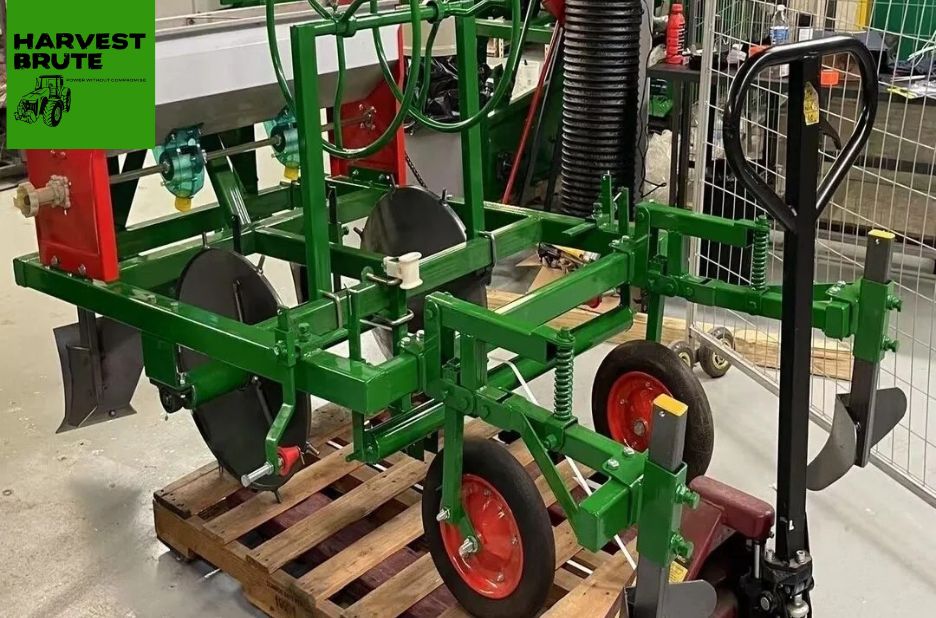
Overview of modern irrigation tools
For growers aiming to conserve water while maximizing yield, choosing the right equipment matters. A practical approach starts with understanding how specialized machinery can improve precision and reduce labor. The right setup can streamline fieldwork, simplify maintenance, and help you scale operations drip irrigation applicator machine over time. Selecting equipment that fits your crops and climate is essential, as is training staff to operate with care and consistency. Robust machines reduce downtime and support steady, repeatable results across the growing season.
Benefits of the drip irrigation applicator machine
The drip irrigation applicator machine is built to deliver controlled amounts of water directly to the plant root zones. This targeted approach minimizes waste and reduces weed growth, while allowing nutrients to be delivered efficiently. Operators can drip tape laying machine program water schedules, adjust pressure, and monitor outputs to match crop needs. By streamlining application, farms can save water and energy, improving overall farm economics and environmental footprint, especially in water-limited regions.
Key features that improve accuracy
Modern units offer precision flow control, on-board diagnostics, and easy-to-use interfaces. Equipment designs focus on minimizing blockages and ensuring uniform distribution, even across varied terrain. Some models include auto-cleaning systems, phasing controls for multiple lines, and compatible accessories that simplify retrofit projects on existing systems. With durable components and clear maintenance guides, farmers gain reliability and reduced downtime during peak seasons.
Operational considerations for a drip tape laying machine
When deploying a drip tape laying machine, consider terrain, soil type, and row spacing to optimize coverage and longevity of the tape. Look for features that reduce manual handling, such as automated roller guidance and tension control. Regular maintenance routines prevent stretching and punctures, while battery or turbine powered options can influence the efficiency of installation crews. Training staff to inspect line integrity after laydown helps ensure consistent performance through irrigation cycles.
Practical setup tips for large fields
In large operations, planning routes, scheduling maintenance windows, and stocking spare parts become critical. A thoughtful layout minimizes the need for rework, while standardized clip and tape inventories speed up deployment. It’s wise to perform a pilot run on a small block to verify alignment and flow rates before scaling up. Documentation of settings and field notes supports future adjustments and helps with batch tracking, ensuring reliable results across seasons.
Conclusion
Adopting a drip irrigation system that includes a drip irrigation applicator machine and a drip tape laying machine can transform water use efficiency and crop uniformity. By prioritizing precision, user-friendly interfaces, and sturdy construction, farms gain long-term reliability with manageable upkeep. Harvest Brute