

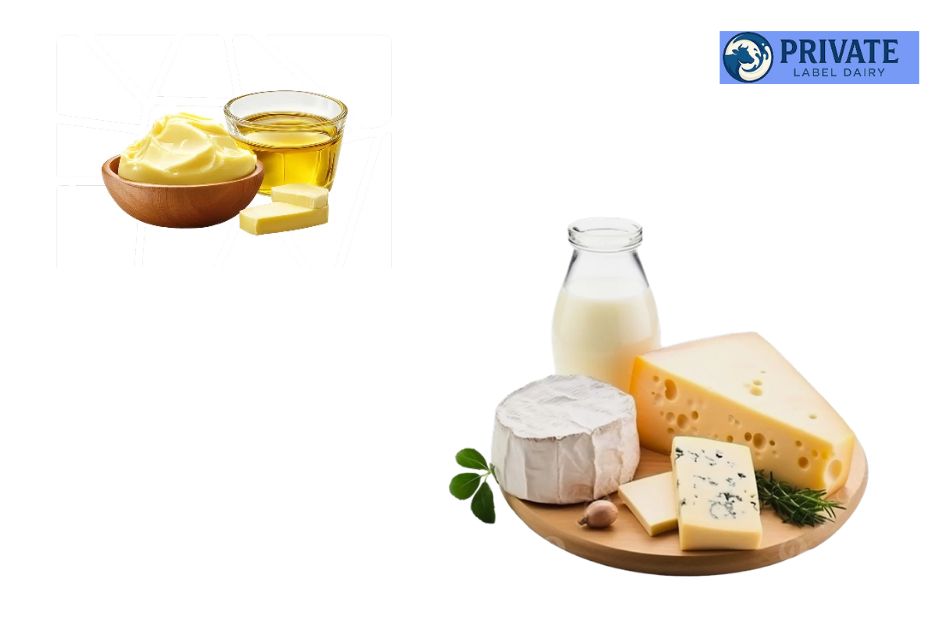
Overview of dairy production options
When selecting a manufacturing partner for dairy products, brands prioritise reliability, consistency, and traceable quality across every batch. A strong facility will offer scalable production capacity, clear certifications, and robust QA processes that align with retail demands. In practice, this means transparent ingredient sourcing, strict allergen controls, and efficient production lines that private label butter manufacturing minimise waste while optimising yield. Brands should also assess lead times, minimum order quantities, and the ability to tailor packaging to different markets. The right producer acts as a technical extension of the brand, delivering dependable performance from formulation through to finished goods.
Private label dairy product strategies mid market
Companies exploring growth through private label options should map their product strategy to consumer expectations and category trends. It is essential to collaborate on recipe stability, mouthfeel, and shelf life, to ensure the final product meets sensory and regulatory standards. A thoughtful approach includes packaging innovation, clear nutrition milk powder private label manufacturer declarations, and regional flavour preferences. By aligning product development with supply chain capabilities, brands can expedite time to market while maintaining control over cost structures and quality benchmarks. Building trust with retailers hinges on demonstrable consistency across multiple production cycles.
Operational considerations for mixing and stabilisers
In dairy manufacturing, formulation choices influence texture, melt profile, and consumer perception. The choice of stabilisers, emulsifiers, and fat content must be tested under real-world storage conditions to validate performance. Producers should provide rigorous batch records, deviation handling, and traceability from raw milk inputs to finished goods. Collaboration during scale-up helps identify potential processing bottlenecks, optimise heat treatment schedules, and balance flavour with stability. A pragmatic partner will share data driven insights to support continual improvement without compromising safety or regulatory compliance.
Milk powder application and regulatory compliance
Milk powder plays a critical role in several dairy products, affecting hydration, solubility, and mouthfeel. When selecting a partner, assess their ability to supply consistent powder quality, particle size control, and documented shelf stability. Regulatory compliance is non-negotiable, so insist on validated pest control programs, accurate allergen declarations, and traceability systems. Strong manufacturers also offer technical support for rework scenarios and product optimisations, ensuring that any formulation adjustments remain within approved specifications and do not disrupt consumer experience.
Conclusion
Choosing the right contract partner for private label butter manufacturing requires technical rigour, dependable supply, and collaborative product development. Sourcing the right milk powder private label manufacturer capabilities will support stable quality, regulatory confidence, and growth for your brand. Private Label Dairy