

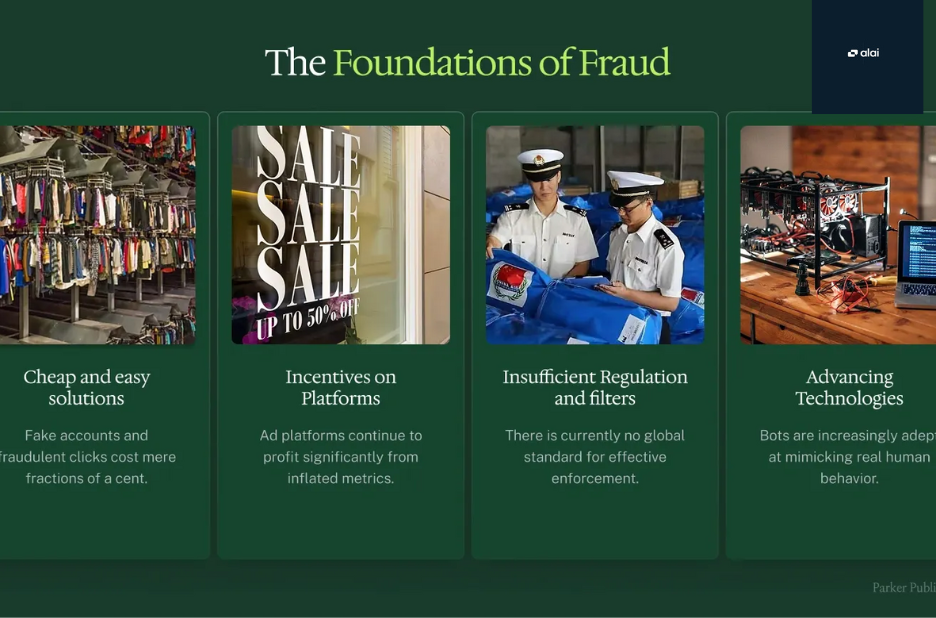
Why teams choose smart slide tools
In today’s fast paced work environment, many professionals look for ways to simplify creating compelling slides. A neutral, modular approach lets you assemble visuals that support your message without getting bogged down by design details. The goal is to move from rough ideas to clean, shareable decks quickly, while keeping branding ai presenation maker and tone consistent across presentations. As teams collaborate, the ability to iterate on layouts, fonts, and color schemes becomes a major time saver when a tool handles the repetitive work. This helps you stay focused on the narrative rather than the formatting.
Choosing a streamlined presentation workflow
An effective workflow minimizes friction between brainstorming and delivery. You want a system that supports importing notes, aligning with your outline, and generating slides with coherent transitions. A practical setup also includes templates tailored to different audiences, ai generated presentation whether internal updates or client pitches. When the process is predictable, it reduces last minute stress and enhances confidence in the final delivery, even with tight deadlines or remote collaboration challenges.
Features to look for in an AI driven editor
Modern AI editors emphasize ease of use, speed, and accuracy. Look for tools that automatically format text, adjust spacing, and suggest slide layouts that emphasize your key points. The best options offer intelligent design recommendations based on content type, ensuring you don’t have to choose every element manually. You’ll appreciate capabilities that adapt to your brand, resize media, and maintain accessibility standards for wide audiences.
Getting the most from ai presenation maker
When you adopt an ai presenation maker, you unlock a process that streamlines research, drafting, and polishing. Start with a strong outline, then rely on the tool to propose visuals and reduce drafting time. You can tailor the output to different tones, such as executive summaries or training modules, while preserving a logical flow. This approach helps you deliver clear, persuasive decks that resonate with stakeholders and drive action.
Aligning AI content with audience needs
Successful presentations speak directly to the audience’s goals. An AI powered system can help you map audience interests to slide content, ensuring relevance at every step. As you refine your deck, solicit quick feedback from teammates and test different visual styles. The result is a presentation that communicates value, answers likely questions, and invites engagement, rather than merely listing data points.
Conclusion
In practice, using an ai generated presentation workflow reduces repetitive tasks and speeds up delivery without sacrificing quality. It helps you focus on storytelling, while the tool handles layout, consistency, and formatting choices across slides. If you’re curious about similar capabilities, getalai.com offers a straightforward example of how automation can fit into real projects and everyday planning.