

What Plane Simulator teaches
In this guide we explore how a Plane Simulator can sharpen your understanding of aviation concepts, from navigation basics to system operations. The lessons emphasize realistic procedures and critical thinking, helping you translate classroom theory into hands on practice. By focusing on realistic controls and feedback, Plane Simulator players gain confidence in anticipating how aircraft respond to inputs, managing performance and avoiding common mistakes. The approach centers on gradual difficulty, clear objectives, and consistent practice to build transferable skills for real world flight planning and execution.
Exploring a Flight Simulator Cockpit setup
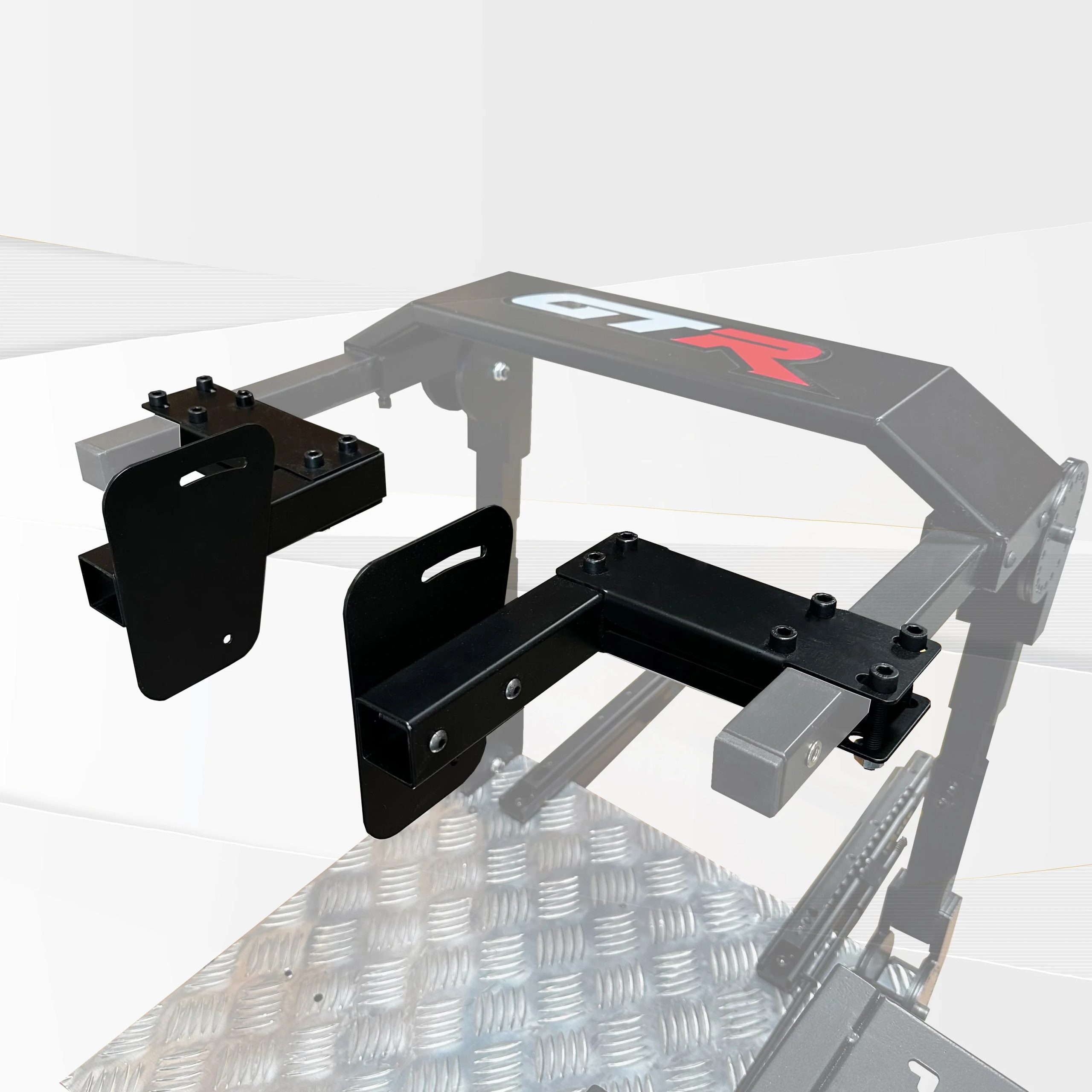
Setting up a Flight Simulator Cockpit involves choosing hardware that mirrors real aircraft layouts, including yokes or sidesticks, rudder pedals, and a multi monitor or VR display. Ergonomics matter: comfortable seating, properly positioned controls, and a logical arrangement reduce fatigue and improve situational awareness. Software Flight Simulator Cockpit options range from beginner friendly to deeply technical, allowing users to tailor realism through weather scenarios, failure modes, and radio frequency procedures. The goal is to create an immersive environment that supports deliberate practice and steady progress.
Practice routines that build confidence
A structured practice routine combines timed checklists, simulated emergencies, and routine procedures to develop muscle memory and decision making. Start with familiar routes and gradually add complexity: alter weather, traffic, and navigation challenges to test your planning and execution. Recording sessions helps identify recurring errors, while debriefs reinforce successful strategies and refine timing. Consistency is key; short, focused sessions often yield better retention than long, sporadic efforts, especially when the simulator environment mirrors real cockpit dynamics.
Assessing realistic flight dynamics
Understanding how the virtual aircraft responds to control inputs is essential for safe operations. Accurate modeling of lift, drag, stall behavior, and engine performance allows players to sense when adjustments are needed. Pay attention to sound cues, instrument readings, and control feedback, which collectively support situational awareness. As you compare simulated outcomes with real world knowledge, you refine your judgment about altitude, airspeed, and energy management, building readiness for actual flight planning skills.
Common pitfalls and how to avoid them
Early learners often rely too heavily on automation and neglect basic stick and rudder skills. To counter this, practice hand on throttle management and manual flight segments to maintain proficiency. Avoid unrealistic shortcuts by embracing standard procedures and checklists, even in a virtual setting. Regularly review instrument interpretations and cross check data with simulated weather and performance charts. By staying disciplined, you cultivate reliable habits that transfer to real cockpit tasks and risk management.
Conclusion
With steady, purposeful practice, a Plane Simulator becomes a powerful bridge between theory and real world flying, while a Flight Simulator Cockpit setup anchors your experience in authentic control layouts and workflow. Focus on building fundamentals, tailoring scenarios to your goals, and reviewing outcomes to drive continuous improvement.